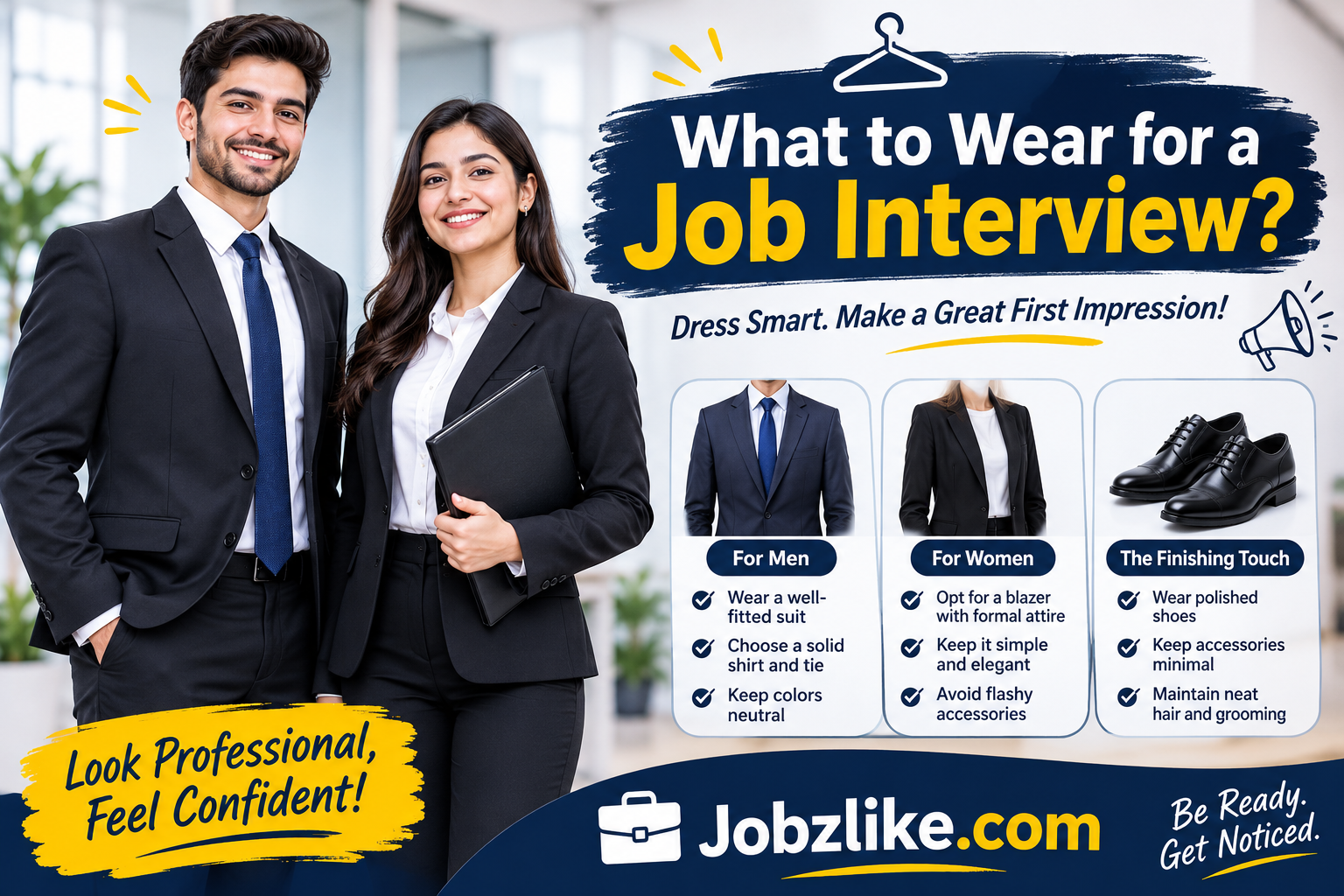
Choosing what to wear for a professional job interview is an important part of preparing for a successful meeting with an employer. Your skills, experience, qualifications, and answers will carry the greatest weight, but your appearance also helps create an early impression. Before you have an opportunity to explain your abilities, an interviewer may notice whether your clothing looks clean, suitable, comfortable, and appropriate for the workplace. The right outfit can help you feel confident and show that you understand professional expectations.
There is no single interview dress code for every company or position. A bank, government department, corporate office, technology company, school, hospital, and creative agency may all have different expectations. Your clothing should reflect the organisation’s culture while remaining neat and respectful. It is also important to consider the role, season, interview format, and whether the meeting will take place in person or online.
This professional job interview dressing guide explains how to select suitable clothes, shoes, colours, accessories, and grooming details. It also covers common outfit mistakes, clothing choices for different industries, and practical ways to prepare in advance. Whether you are attending your first interview or applying for a senior position, these tips can help you present yourself with confidence and make your appearance support, rather than distract from, your professional abilities.
Understand the Company’s Workplace Culture
Start by learning how people dress at the organisation where you want to work. Visit its official website, review staff photographs, and look at its professional social media pages. If you know someone who works there, ask about the usual dress code. Your aim is to choose clothing that fits the environment while looking slightly more formal than everyday office wear when you are unsure.
- Traditional offices usually expect formal business clothing.
- Modern corporate workplaces may accept business casual outfits.
- Creative workplaces can allow more personal style, provided it remains polished.
- Public-sector and government interviews generally call for modest, neat, conservative clothing.
- When information is unavailable, choose a simple and professional outfit rather than something very casual.
Choose a Suit That Looks Professional and Fits Well
A well-fitted suit is a dependable option for many formal interviews, particularly in finance, law, management, administration, and senior corporate roles. The jacket should sit comfortably on your shoulders, close without pulling, and allow you to move naturally. Trousers or a skirt should be an appropriate length and should not require constant adjustment. A costly designer label is not necessary; fit, condition, and cleanliness matter much more.
- Choose a classic cut that allows comfortable movement.
- Check that sleeves and trouser hems are an appropriate length.
- Avoid overly tight, oversized, or heavily decorated designs.
- Make sure the suit is clean, pressed, and free from loose threads.
- Try the complete outfit before interview day so you can identify fit problems.
Wear Shirts, Blouses, and Tops That Create a Neat Look
Your shirt or top should complement the rest of your outfit without attracting unnecessary attention. Plain or lightly patterned designs are usually easier to coordinate with formal trousers, skirts, or suits. Select a neckline and fit that make you feel comfortable and allow you to sit, stand, and move confidently. Check collars, buttons, cuffs, and fabric condition before leaving home.
- Choose clean, wrinkle-free shirts or blouses.
- Prefer subtle patterns over large graphics or slogans.
- Make sure buttons close properly and fabric is not transparent.
- Avoid clothing that needs repeated adjustment during conversation.
- Keep the overall appearance balanced and suitable for the role.
Best Interview Clothing Colours for a Professional Appearance
Colour can influence how formal and coordinated an outfit appears. Neutral shades are reliable because they are easy to combine and rarely look out of place in a professional setting. You can add a modest accent colour through a shirt, scarf, tie, or accessory, but avoid building an outfit around several competing shades.
| Colour | Overall impression | Suitable use |
|---|---|---|
| Navy blue | Calm and dependable | Suits, blazers, trousers |
| Charcoal grey | Formal and balanced | Business suits and formal separates |
| Black | Classic and formal | Jackets, trousers, skirts, shoes |
| White | Clean and simple | Shirts and blouses |
| Light blue | Approachable and polished | Shirts and modest accents |
| Beige | Soft and understated | Blazers and business casual outfits |
These are general styling suggestions, not strict rules. Choose colours that suit your preferences and the workplace while keeping the combination coordinated.
Select Shoes That Match the Formality of Your Outfit
Shoes complete your interview appearance and should be clean, comfortable, and appropriate for the setting. Formal leather or leather-look shoes are suitable for many traditional workplaces. In a business casual environment, simple flats or understated smart shoes may also work. Avoid footwear that is damaged, noisy, difficult to walk in, or too informal for the role.
- Clean and polish formal shoes before the interview.
- Choose a comfortable heel height or a stable flat style.
- Check soles and heels for visible damage.
- Wear socks or hosiery that coordinate with the outfit where appropriate.
- Break in new shoes before interview day rather than wearing them for the first time.
Dress According to Your Industry and Job Position
The best outfit depends partly on the responsibilities of the position. A candidate applying for a senior banking role may need a more formal look than someone interviewing for a field-based technical position. Even in practical workplaces, neat clothing communicates preparation and respect.
| Industry or role | Suggested interview clothing | What to prioritise |
|---|---|---|
| Banking and finance | Formal suit or coordinated business outfit | Conservative colours and polished shoes |
| Government and administration | Modest formal shirt, trousers, suit, or suitable traditional formal wear | Neatness and understated styling |
| Education | Business casual or formal clothing | Approachable, tidy presentation |
| Information technology | Smart business casual or formal clothing | Clean, practical, professional fit |
| Healthcare | Professional office clothing for the interview | Cleanliness and role-appropriate presentation |
| Retail and customer service | Smart clothing that reflects the employer’s brand | Friendly and well-groomed appearance |
| Engineering and field roles | Smart practical clothing or formal wear, depending on the employer | Comfort, safety awareness, and neatness |
Business Formal vs Business Casual: Know the Difference
One common interview challenge is deciding how formal your clothing should be. Business formal is more structured and is often expected in traditional professional environments. Business casual is more relaxed but still requires a tidy, coordinated appearance. Casual clothing, such as distressed jeans, sportswear, and graphic T-shirts, is generally too informal unless the employer specifically requests it.
| Feature | Business formal | Business casual |
|---|---|---|
| Jacket | Matching or coordinated suit jacket | Blazer or smart cardigan may be suitable |
| Top | Formal shirt or blouse | Smart shirt, blouse, or modest knit top |
| Bottoms | Formal suit trousers or skirt | Tailored trousers, suitable skirt, or formal chinos |
| Footwear | Formal polished shoes | Clean smart shoes or understated flats |
| Overall style | Structured and traditional | Relaxed but professional |
If you cannot confirm the dress code, business formal or a polished business casual outfit is usually safer than dressing too casually.
Keep Accessories Simple and Purposeful
Accessories should support your outfit rather than become the main focus. A simple watch, modest jewellery, a belt that matches your shoes, or a professional bag can complete your appearance. Avoid carrying unnecessary items or wearing accessories that make noise and distract you while speaking. Your documents should be organised and easy to access.
- Choose one or two understated accessories.
- Use a neat belt when it complements your trousers.
- Carry a clean folder or professional bag for documents.
- Avoid oversized, noisy, or distracting jewellery.
- Keep pockets free of bulky items that change the shape of your clothing.
Grooming Habits That Complete Your Interview Outfit
Good grooming is part of professional presentation. Your hair, nails, skin, and general hygiene should look neat and cared for. You do not need an expensive salon visit or complicated routine. Basic preparation is enough to help you feel comfortable and ready.
- Keep hair clean and arranged in a style that stays in place.
- Trim and clean fingernails.
- Maintain facial hair neatly if you have it.
- Use deodorant and avoid strong fragrances.
- Check your teeth and breath before entering the interview room.
- Make sure clothing has no visible stains, lint, or unpleasant odour.
Professional Interview Dressing Tips for Men
Men can build a reliable interview outfit around a formal shirt, tailored trousers, and clean formal shoes. For highly formal roles, a matching suit and tie may be appropriate. In less formal workplaces, a blazer with a well-pressed shirt and smart trousers can create a professional appearance. The most important factors are fit, cleanliness, and suitability for the employer.
- Wear a collared shirt in a neutral or subtle colour.
- Choose trousers that fit properly at the waist and hem.
- Use a tie when the industry or workplace expects formal business attire.
- Coordinate your belt and shoes.
- Keep hair and facial hair tidy.
- Avoid sports shoes, distressed denim, and slogan T-shirts for formal interviews.
Professional Interview Dressing Tips for Women
Women have several suitable options, including a formal suit, tailored trousers with a blouse, a professional skirt outfit, or modest business casual clothing. The best choice is one that fits comfortably and allows you to focus on the interview. Consider the company’s culture and choose an outfit that feels authentic while remaining appropriate for the workplace.
- Consider a blazer with tailored trousers or a suitable skirt.
- Choose a blouse or top that is comfortable and not distracting.
- Select footwear that is smart and easy to walk in.
- Keep jewellery and makeup understated if you choose to wear them.
- Check that the outfit remains comfortable when sitting.
- Choose a professional bag or folder for your documents.
What to Wear for a Job Interview in Pakistan
In Pakistan, interview clothing may vary between public-sector departments, private companies, banks, schools, hospitals, and multinational organisations. A clean, pressed shalwar kameez with suitable formal footwear can be a respectful and professional option in many settings. A formal shirt and trousers, a suit, or other modest business clothing may also be suitable, depending on the organisation and position. For a highly formal corporate interview, consider a blazer or suit if that matches the workplace culture.
- Choose clean, well-pressed clothing in simple colours.
- Wear modest styles that allow comfortable movement.
- Select formal shoes or clean, understated footwear.
- Keep accessories limited and practical.
- Consider weather conditions, especially during hot months.
- Follow any dress instructions provided in the interview invitation.
Plan Your Outfit Around the Season and Weather
Weather affects comfort, and discomfort can distract you during an interview. In hot conditions, breathable fabrics such as cotton blends can help you stay comfortable. During colder months, a clean coat or suitable outer layer can keep you warm without making the outfit look bulky. Always check the forecast and allow time to reach the interview venue without becoming overheated or caught in the rain.
- Choose breathable fabrics for warm weather.
- Carry a neat outer layer in cold conditions.
- Avoid fabrics that crease heavily during travel.
- Keep an umbrella or suitable rain protection available when needed.
- Arrive early enough to freshen up before the interview begins.
Prepare a Separate Outfit for Online Job Interviews
For a video interview, dress as professionally as you would for an in-person meeting. Although the interviewer may only see your upper body, wearing a complete outfit can help you feel prepared and avoid problems if you need to stand up. Select colours that look clear on camera and avoid busy patterns that may appear distracting on screen.
- Wear a professional top or complete business outfit.
- Choose colours that contrast gently with your background.
- Check your appearance using the camera before the meeting.
- Make sure clothing is neat and does not reflect excessive light.
- Position the camera so your face and upper body are clearly visible.
- Keep a jacket or cardigan nearby if the room is cool.
Common Clothing Mistakes That Can Weaken Your First Impression
Small clothing mistakes can distract an interviewer even when your qualifications are strong. The goal is not to follow fashion trends but to look prepared, comfortable, and respectful. Review your outfit in good lighting and ask someone you trust for a second opinion if you are uncertain.
- Wearing wrinkled, stained, or damaged clothing.
- Choosing an outfit that is too tight or too loose.
- Wearing footwear that is dirty or unsuitable for the workplace.
- Using strong perfume or excessive accessories.
- Ignoring the company’s dress culture.
- Wearing clothing with offensive wording or distracting graphics.
- Trying a completely new outfit for the first time on interview day.
Build a Reliable Interview Wardrobe on a Budget
You do not need a large wardrobe to dress professionally. A few versatile items can create several combinations for different interviews. Focus on quality of fit and condition rather than expensive brands. If you are buying new clothing, choose pieces that can also be worn at work after you receive an offer.
| Wardrobe item | Why it is useful | Budget-friendly approach |
|---|---|---|
| Neutral formal shirt or blouse | Works with several trousers and jackets | Choose a simple, easy-care fabric |
| Tailored trousers or suitable skirt | Creates a professional base outfit | Prioritise fit and versatile colour |
| Blazer or suit jacket | Makes an outfit more formal | Look for a classic style that can be reused |
| Formal shoes | Completes business attire | Choose comfort and durability over a logo |
| Professional bag or folder | Keeps documents organised | Use a clean, existing bag if suitable |
How to Check Whether Your Outfit Is Interview Ready
Before leaving home, take a few minutes to review the full outfit from head to toe. Check it in natural light if possible, because stains and creases may be less visible under indoor lighting. Sit down, stand up, walk, and reach for your folder to make sure everything stays comfortable and in place.
- Check the outfit for stains, lint, loose threads, and wrinkles.
- Confirm that buttons, zips, and fastenings work properly.
- Make sure shoes are clean and comfortable.
- Check that accessories are secure and not distracting.
- Test the outfit while sitting and walking.
- Prepare a backup shirt or suitable alternative if possible.
Pack Essential Items Alongside Your Professional Clothing
Your appearance is only one part of interview preparation. Keep the items you need in a tidy folder or bag so you are not searching for documents at the last minute. Organising everything the night before can reduce stress and help you arrive with a calm, professional attitude.
- Several printed copies of your CV or resume, if requested or useful.
- Copies of relevant certificates and experience documents.
- A copy of the interview invitation and contact details.
- A notebook and pen.
- Your identification document, if required for entry.
- A small personal grooming item for a quick final check.
Use This Interview Day Dressing Checklist
A checklist makes it easier to remember small details when you are getting ready. Complete these checks the evening before and repeat the most important ones before leaving for the interview.
| Preparation task | When to complete it | Purpose |
|---|---|---|
| Confirm the employer’s dress expectations | Before selecting clothes | Choose the right level of formality |
| Wash, iron, and prepare the outfit | The evening before | Avoid last-minute clothing problems |
| Clean and check footwear | The evening before | Complete the professional look |
| Prepare accessories and documents | The evening before | Keep essentials organised |
| Check grooming and outfit details | Before leaving | Present a neat appearance |
| Allow time for travel and freshening up | Interview day | Arrive calm and prepared |
Make Your Appearance Support Your Interview Performance
Professional clothing should help you feel confident, not make you worry about your appearance throughout the meeting. Once you have selected a suitable outfit, shift your attention to researching the employer, practising answers, preparing examples of your achievements, and planning thoughtful questions. Good posture, respectful communication, and genuine interest are just as important as what you wear.
- Choose comfort so you can concentrate on answering questions.
- Keep your phone silent and out of sight.
- Greet the interview panel politely and maintain natural eye contact.
- Speak clearly and connect your experience to the job requirements.
- Let your skills and preparation remain the focus of the conversation.
Conclusion: Dress with Confidence and Prepare to Succeed
Knowing what to wear for a professional job interview can make preparation easier and help you create a positive first impression. The best outfit is clean, comfortable, well-fitted, and suitable for the employer’s workplace culture. Formal suits are useful for traditional corporate environments, while smart business casual clothing may be appropriate in more relaxed organisations. Candidates in Pakistan can also consider neat, pressed traditional clothing when it fits the expectations of the department or company.
Pay attention to clothing condition, colour coordination, footwear, accessories, grooming, and weather. Avoid distracting designs and anything that makes you uncomfortable. Prepare your outfit and documents in advance so that interview day is focused on your performance rather than last-minute decisions. Remember that clothing cannot replace qualifications, relevant experience, or strong communication, but it can support the professional image you want to present. Dress appropriately, arrive on time, and let your confidence and abilities speak for you.